




|
Quantity
|
Price
|
||
|
|
|||
|
|
|||
Solutions to Problems
Industry-Specific Solutions
Need help choosing?
Describe the sensor type, the object being monitored, and the operating conditions—an engineer will help you find the right solution for your process or production line.
Sensors for Industrial Automation: How to Choose the Right Solution
A sensor is one of the key components of an automation system: it detects a position, the presence of an object, or process parameters and transmits a signal to the controller. To ensure a quick selection process without compatibility issues, it is important to define the basic requirements in advance and then choose a model based on its specifications.
What to Look for When Choosing
- Sensor Type — Choose based on the application: inductive (metal), optical/laser (distant objects), pressure/vacuum sensors, flow sensors, and limit switches.
- Electrical and Signal Systems — Power supply, output/signal type, diagnostic requirements, and integration into your control system.
- Installation and Dimensions — Housing/thread, mounting method, sensing area, connection type (cable or connector).
- Environmental Conditions — dust/moisture, temperature, vibrations, and the required degree of protection IP.
Popular Sensor Categories
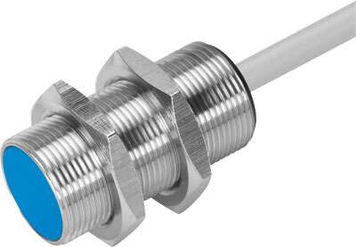
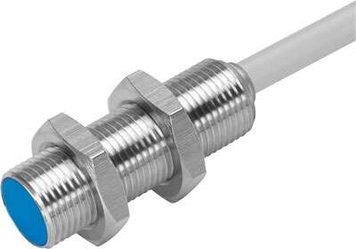
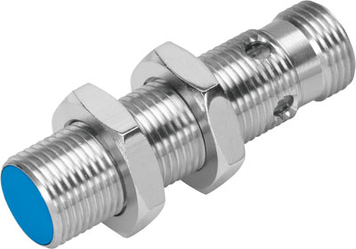
- Inductive Sensors — Reliable, non-contact detection of metallic objects.
- Pressure and Vacuum Sensors — Monitoring the parameters of pneumatic systems and vacuum circuits.
- Flow Sensors — Consumption monitoring and process control.
- Optical Sensors and laser sensors — when distance, accuracy, and working with objects of various shapes are important.
- Limit switches — Monitoring the condition and position of mechanisms.
- Sensor Accessories — cables, connectors, fasteners, and connection components.
How to Speed Up the Selection Process and Reduce the Risk of Incompatibility
A practical approach is to identify four groups of requirements: electrical (power/signals), communications (interfaces/protocols, if applicable), mechanical (installation/dimensions), and environmental (IP rating, temperature, vibration). This will help you select the right option more quickly and reduce the number of rounds of revisions needed for approval.
Need help choosing?
If you only have a task or a statement of work — Go to Contact Information. Technical recommendations and reference materials—in the section Technical Information.
Frequently Asked Questions About Sensors
How do you choose the right type of sensor for the task?
Consider the operating principle (inductive/optical/laser/pressure/flow), environmental conditions, and installation.
What factors are most important to consider when making a selection?
Power, output/signal type, range, IP rating, connection (cable/connector), dimensions.
Are you looking for a product with similar specifications?
Yes. We'll narrow down the options based on their functions and key features.
Can I get a receipt or invoice?
Yes. We'll prepare the work plan and invoice based on the list or the technical specifications.