




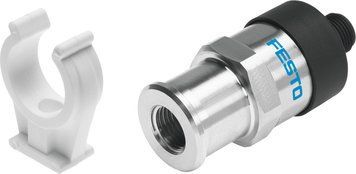
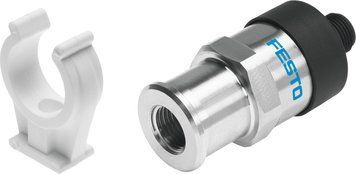

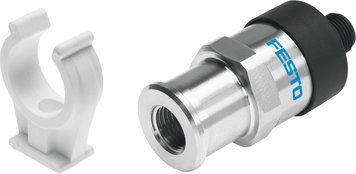
|
Quantity
|
Price
|
||
|
|
|||
|
|
|||
Solutions by Application
Industry Solutions
Need help choosing?
Tell us about the medium, operating range and signal requirements. An engineer will help you select suitable pressure and vacuum sensors for your system.
Pressure and Vacuum Sensors for Industrial Automation
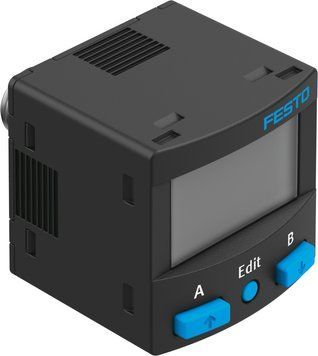
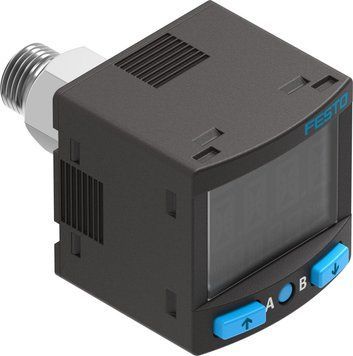
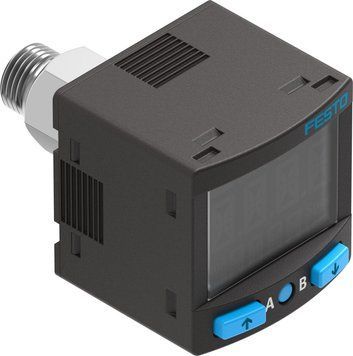
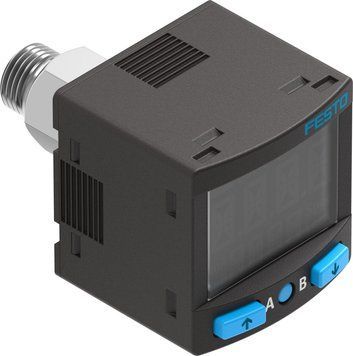
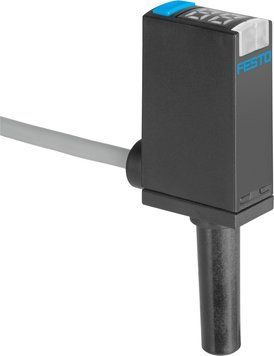
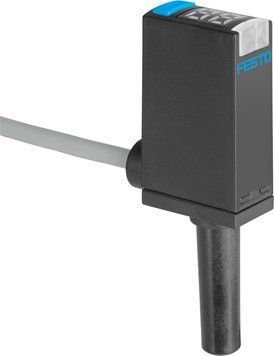
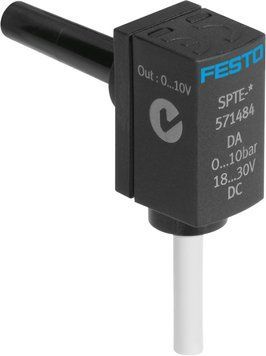
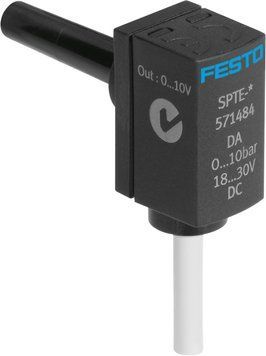
Pressure and vacuum sensors monitor operating parameters in pneumatic systems, vacuum circuits and industrial processes. They help maintain stable equipment operation, improve safety and make it easier to diagnose deviations. This page brings together solutions for different applications and helps you select products by their specifications.
How to Choose a Pressure or Vacuum Sensor
- Measurement range: choose a range that covers normal operating values and potential pressure or vacuum peaks. For vacuum applications, specify the required range and units of measurement.
- Device type: a sensor that provides a measured value or a pressure switch that changes its output when a set threshold is reached.
- Output and interface: an analog signal (such as 0–10 V or 4–20 mA), a switching output or a digital interface compatible with your PLC and I/O modules.
- Mounting and connection: process connection, dimensions, cable or connector, and access for maintenance.
- Operating environment: moisture, dust, temperature, vibration and the required IP rating.
Typical Applications
- Pressure monitoring in pneumatic systems: stable actuator operation and improved reliability.
- Vacuum monitoring: checking vacuum levels in gripping and other vacuum systems, with alerts if the vacuum drops.
- Equipment protection: threshold alarms and shutdowns when a parameter moves outside its permitted range.
- Diagnostics: identifying leaks, clogged filters and unstable circuit operation.
Related Categories
Explore all sensors, flow sensors, I/O and communication, and sensor accessories. For reference materials, visit Technical Information. If you need help, contact us.
Frequently Asked Questions About Pressure and Vacuum Sensors
How do I choose the right pressure or vacuum range?
Choose a range that covers normal operating values and potential peaks. For vacuum applications, specify the required range and units of measurement.
Do I need a sensor or a pressure switch?
A sensor provides a measured value through an analog or digital output. A pressure switch changes its output when a set threshold is reached and may allow you to adjust the switching point and hysteresis.
Which is better: 0–10 V or 4–20 mA?
It depends on the inputs available on your PLC or I/O modules. A 4–20 mA signal is generally more resistant to interference over long cable runs, while 0–10 V can be simpler to connect.
Can I connect the sensor to a PLC or analog input module?
Yes, if the sensor output is compatible with your equipment inputs. We can help you check compatibility if needed.
Can you select a sensor for moist or high-vibration environments?
Yes. We consider the IP rating, temperature, vibration, and mounting and connection methods.